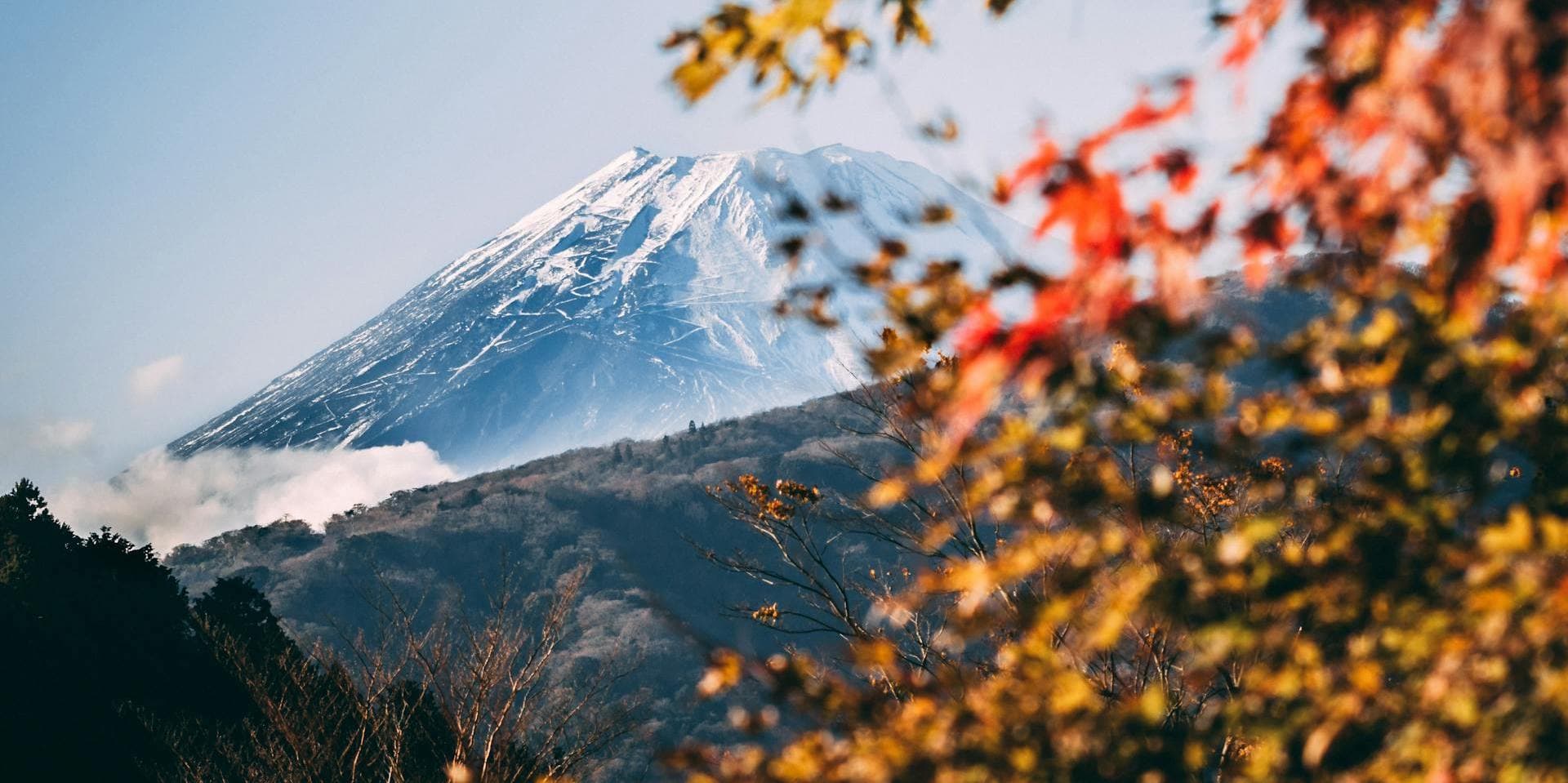
When to Visit Japan
Four seasons. Four very different countries.
Japan stretches from the snowy north to subtropical Okinawa, so climate varies significantly by region. The same month can feel completely different in Hokkaido versus Kyushu.
The best time depends on your priorities: cherry blossoms, autumn foliage, winter onsens, or summer festivals — each has its own window.
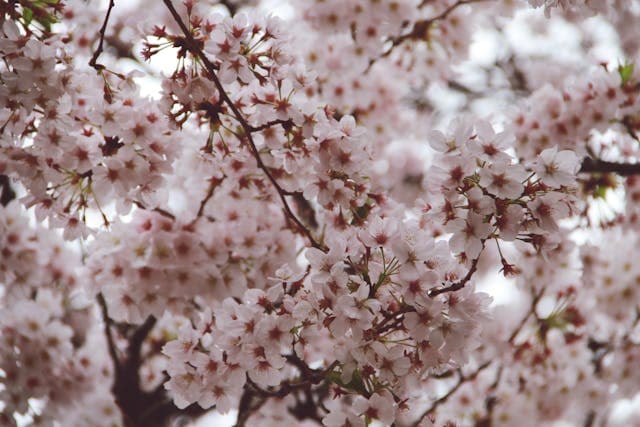
March — May
Spring
Peak tourist season. Cherry blossoms bloom roughly late March through early April depending on the region. Weather is mild and days grow longer. Hotels fill months in advance.
Highlights
- +Cherry blossom viewing — the country's signature spectacle
- +Comfortable temperatures of 12–20°C
- +Festivals and Golden Week holidays in May
- +Tea plantations turning vivid green in Uji and Shizuoka
Downsides
- −The busiest time of year — queues everywhere
- −Hotel prices rise 1.5–2x
- −Golden Week (late April to early May): peak domestic travel
Tip
Book accommodation 2–3 months ahead. Blossom dates are unpredictable — check forecasts closer to your trip.
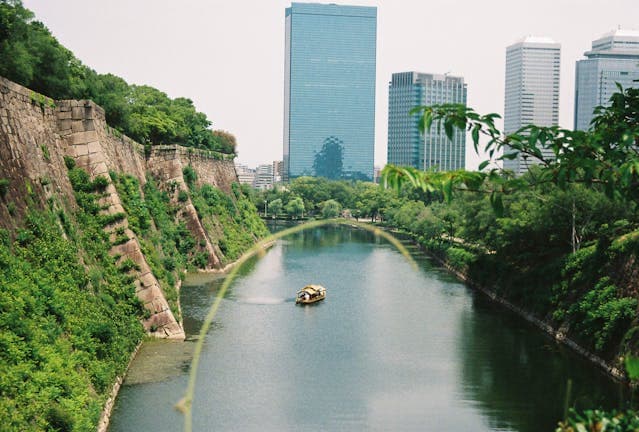
June — August
Summer
Hot and humid. June is rainy season (tsuyu): overcast and wet but not cold. From mid-July the heat climbs above 35°C. Summer compensates with festivals, fireworks, and Bon Odori dancing.
Highlights
- +Summer matsuri festivals and fireworks displays
- +Hokkaido — a cool northern escape
- +Lavender fields in Hokkaido in July
- +Okinawa beaches in full swing
Downsides
- −Heat at 33–38°C with high humidity
- −Rainy season in June — persistent drizzle
- −Typhoon season in August–September
- −Air conditioning in your room is essential
Tip
If you travel in summer, plan early mornings and afternoon rest. Carry sun protection and plenty of water.
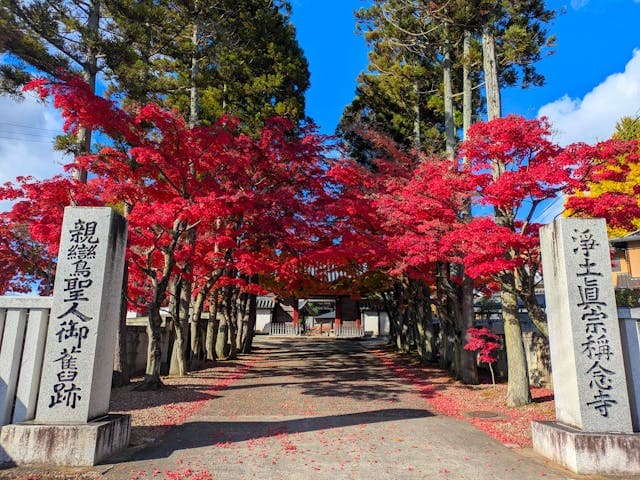
September — November
Autumn
The second peak season. Red and golden momiji maples, crisp air, and fewer crowds than spring. November is the golden month for Japan's parks.
Highlights
- +Momiji — autumn foliage in parks and mountain areas
- +Comfortable temperatures of 15–22°C
- +Fewer tourists than spring
- +Excellent weather for walking routes
Downsides
- −Typhoons remain possible through late October
- −November is another peak period in Kyoto
- −Evenings turn cold — bring a jacket
Tip
Late November is peak momiji in Kyoto. For colour without crowds, come in early November or head to mountain areas.
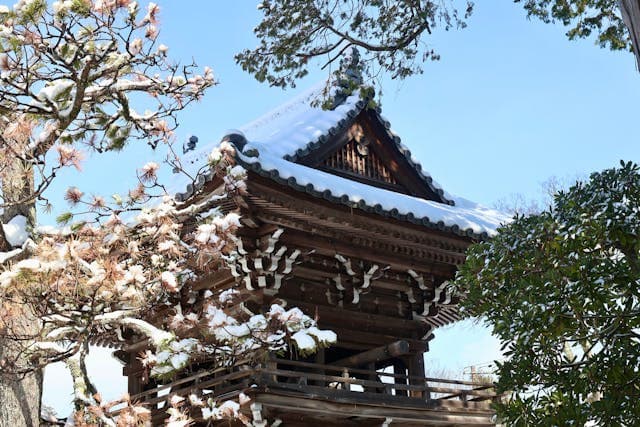
December — February
Winter
Quiet and underrated. Fewer tourists, lower prices, beautiful illuminations, and onsens in the snow. Tokyo rarely sees snow; Kyoto occasionally; Hokkaido is full winter with skiing.
Highlights
- +Onsens — best experienced in the cold
- +Winter illuminations in cities
- +Ski resorts in Hokkaido and Nagano
- +Shorter queues at popular sites
- +New Year celebrations in January
Downsides
- −Cold: Tokyo 5–10°C, Kyoto can go below freezing
- −Short daylight hours
- −Christmas and New Year bring price spikes and crowds
Tip
December–January is a great choice for Japan without the crowds. Pack warm layers and plan days around hot springs.
Month by Month
| Month | Crowds |
|---|---|
| January | Low |
| February | Low |
| March | Medium |
| April | Very high |
| May | High |
| June | Low |
| July | Medium |
| August | Medium |
| September | Low |
| October | Medium |
| November | High |
| December | Medium |
The short version
Best time
April (cherry blossoms) and November (autumn foliage). May and October are slightly less crowded.
Worth noting
July–August: heat and humidity. Golden Week (late April): peak domestic travel.
Underrated time
December–January: fewer crowds, onsens, illuminations — and lower prices.
Ready to build your itinerary?
Explore routes, regions, and destinations
Need a Custom Itinerary?
Tell us about your interests, timeline, and preferences. We'll create a personalized Japan itinerary just for you.
We respect your privacy. No spam, just personalized travel planning.