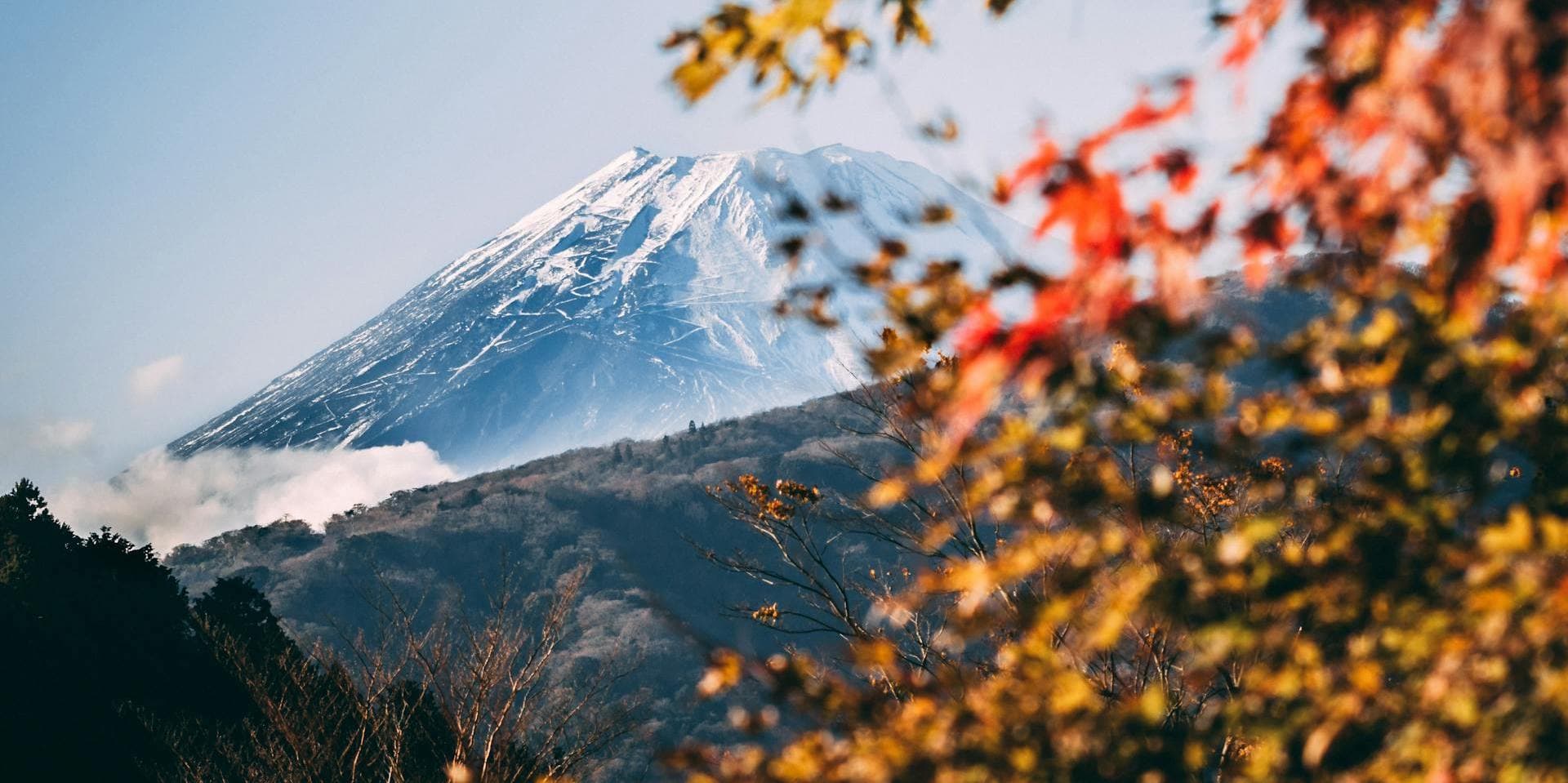
Start here: planning your first trip to Japan
A calmer route-first guide to choosing the right trip length, cities, and practical next steps without bloated travel guides.
Quick answer
The simplest first-trip recommendation
If you do not want to invent the route from scratch, start with one of these formats.
Short first trip
7 days
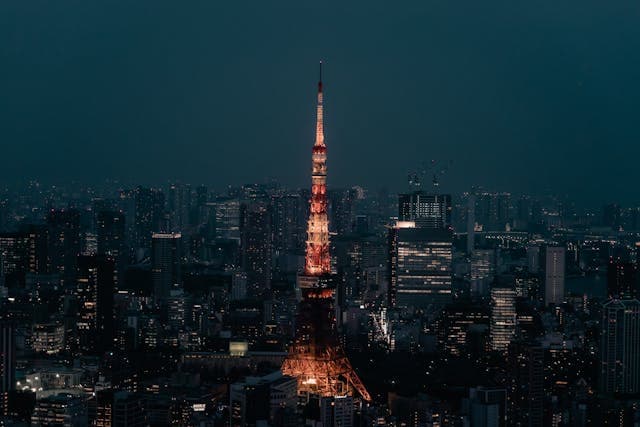
The safest first route: Tokyo + Kyoto. Two strong bases, fewer transfers, less fatigue.
Best for most first-timers
10 days
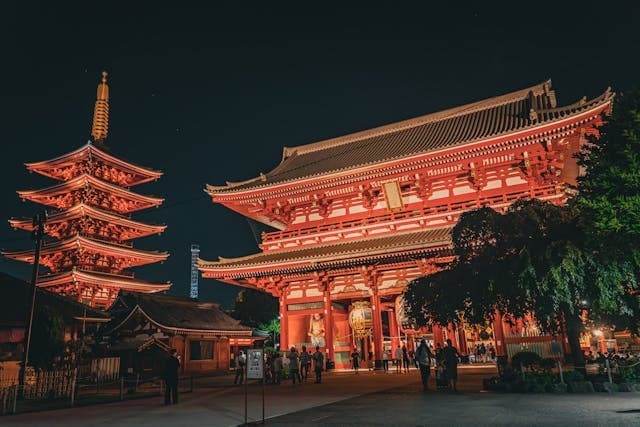
The best balance: Tokyo + Hakone + Kyoto + Osaka. Enough time to feel the trip, not just collect stops.
More depth, less rushing
14 days
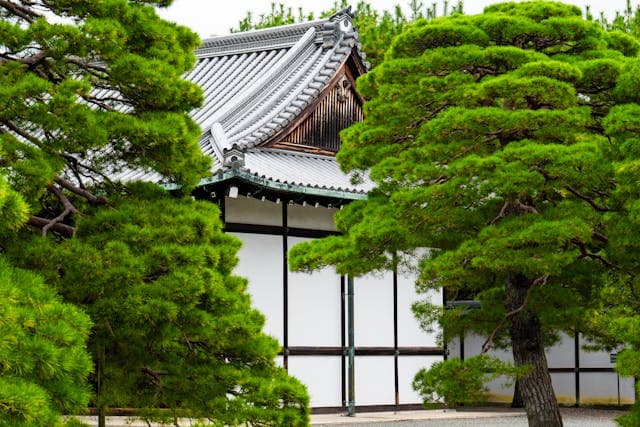
If you want Hiroshima, Nara, or a slower pace, two weeks works much better.
Pick the right cities
Start with city roles, not attraction lists. That gets you to a workable itinerary faster.
Tokyo
The default arrival city for almost everyone: neighborhoods, food, museums, shopping, and easy day trips.
Kyoto
Best for temples, older districts, and a slower rhythm. Useful as contrast to Tokyo, not just a checkbox.
Osaka
Useful as a food and logistics base in Kansai. Often strongest as an add-on rather than the center of the trip.
Hakone
A strong reset between Tokyo and Kansai: ryokan, onsen, nature, and Fuji views when weather cooperates.
Nara
Best as a short cultural stop from Kyoto or Osaka rather than a standalone base on a first trip.
When to visit Japan
Season affects price, crowds, and comfort. Here is a quick overview.
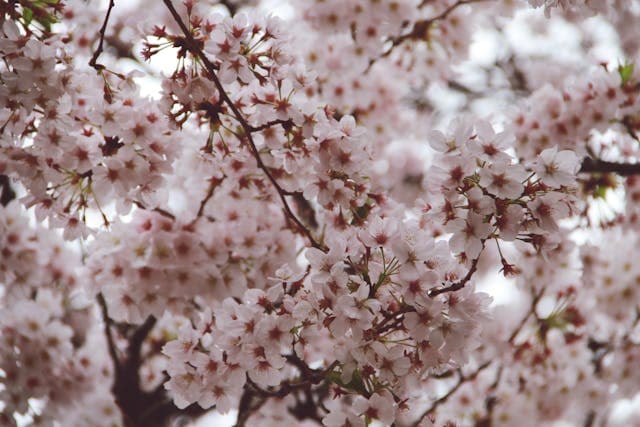
Spring (March-May)
Cherry blossoms, mild weather, festivals. Crowded and expensive during sakura peak. Book 3-6 months ahead.
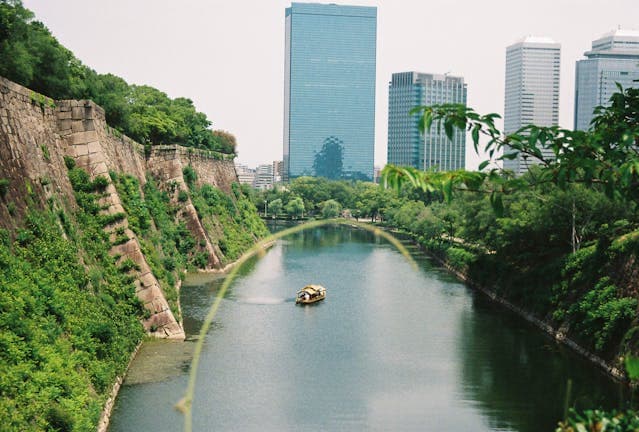
Summer (June-August)
Hot, humid, rainy season in June. Festivals and fireworks are highlights. Hokkaido and mountains provide escape. Budget travelers benefit from lower prices.
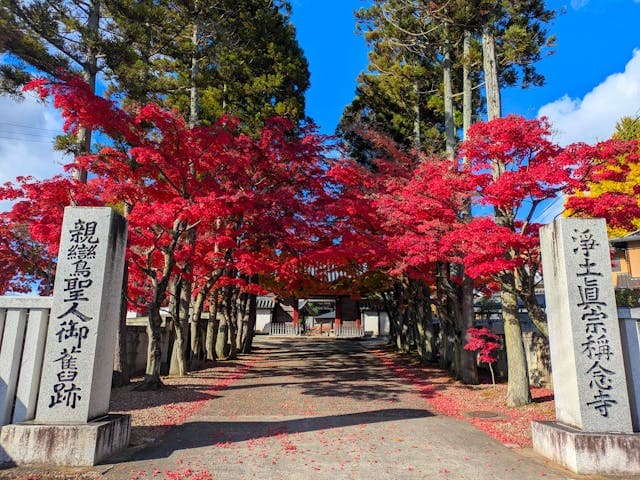
Fall (September-November)
Autumn colors, comfortable weather, harvest season. Peak crowds in November. Second-best time after spring.
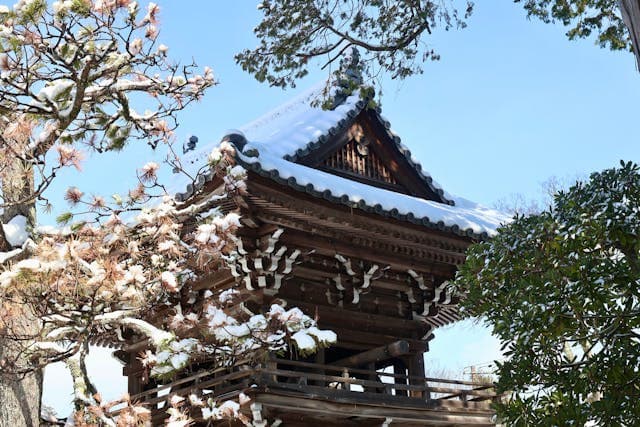
Winter (December-February)
Cold but clear. Perfect for onsens, skiing, and winter illuminations. Fewer crowds, lower prices. Not ideal for outdoor sightseeing.
Avoid these common mistakes
Part of trust comes from preventing the obvious first-timer mistakes before you book.
Overpacking the itinerary
Trying to see everything in one trip. Japan rewards slow travel. Pick 2-3 regions maximum.
Skipping regional Japan
Only visiting Tokyo and Kyoto. The real Japan exists in smaller cities and rural areas.
Wrong season expectations
Coming in August expecting pleasant weather. Summer is humid and hot. Fall and spring are peak for a reason.
Overlooking transport planning
Not researching transportation options and costs in advance can cost significant money and time.
Read these basics before you book
These pages are not inspiration pieces. They are uncertainty reducers: transport, hotel bases, season, and trip prep.
Trip checklist
What to settle before booking, after flights, and in the final week.
Transport and IC cards
How to keep trains, Shinkansen, and local transit simple.
Where to stay
How to choose hotel bases in Tokyo, Kyoto, Osaka, Hakone, and Hiroshima.
Best time to visit
How season changes crowds, pace, and trip cost.
Your next best step
If you want the easiest default, open the 10-day itinerary. If logistics still feel fuzzy, start with the checklist and Travel Basics.
Get a Free Japan Travel PDF Guide
Download our comprehensive travel guide packed with insider tips, hidden gems, and practical advice for your Japan adventure.
We respect your privacy. No spam, just travel inspiration.